


LM Studio has released Bionic, an agent built for real work and coding tasks that runs on open models — and can operate entirely on your own device.
Local AI has quietly reached a point where it can be trusted with actual production work, not just experiments. Here's what Bionic brings to the table.
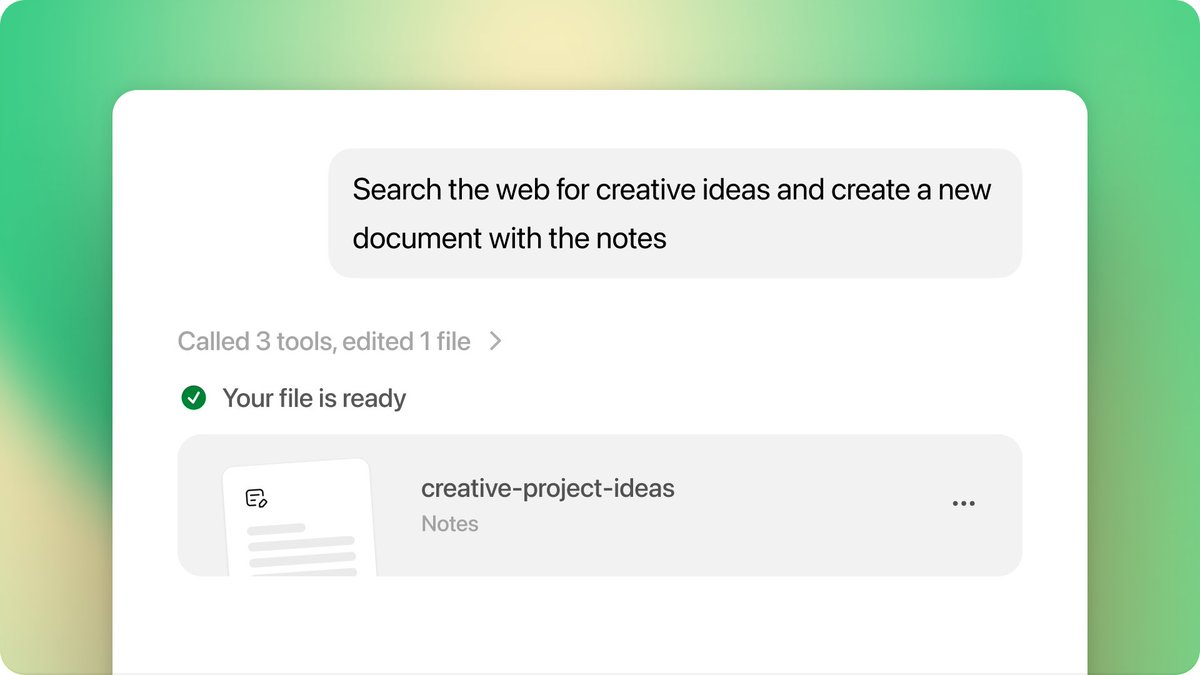
Documents, slides, and PDFs
Bionic creates and edits documents directly within the conversation. Every change is saved automatically, so you can work freely without worrying about losing progress.
Coding
Everything you'd expect from a coding agent, Bionic delivers. Just describe what you need, and it writes the code.
On-device voice
You can talk to Bionic naturally, with speech recognized in real time. All audio processing happens locally — your voice never leaves your computer.
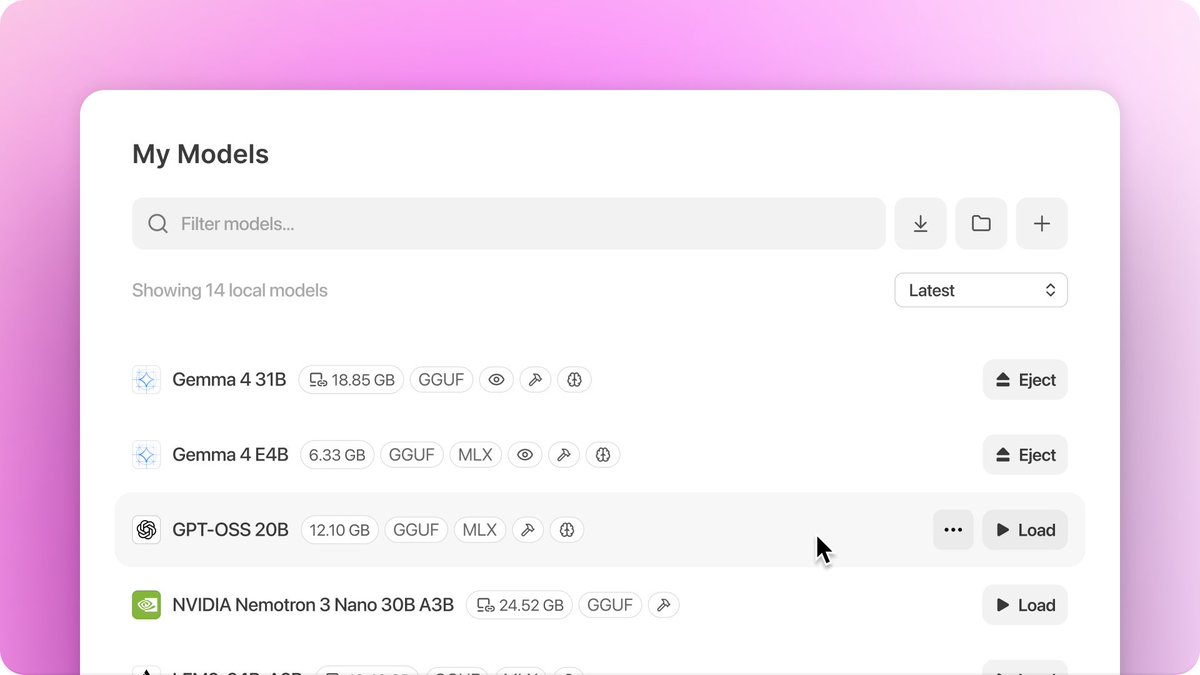
Models download right inside the app
You can pull the latest local LLMs for either simple chat or complex agentic tasks. Under the hood, LM Studio's engine runs on MLX and llama.cpp.
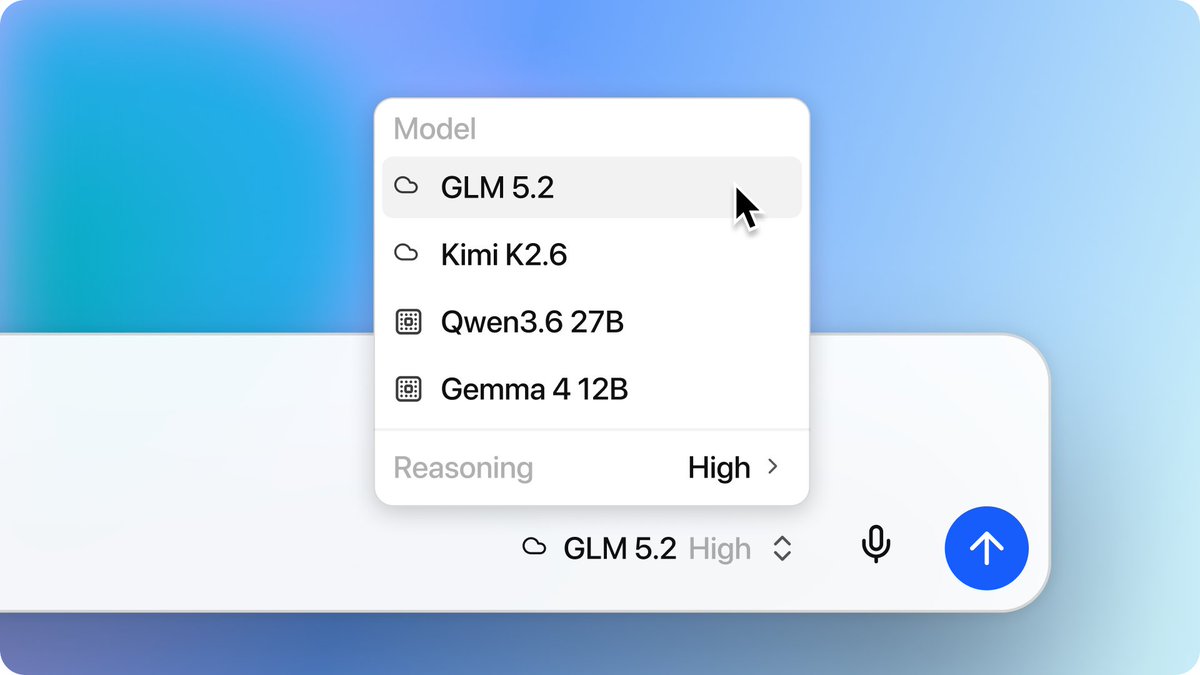
For tasks that demand more horsepower, you can spin up open-source frontier models in the cloud, such as GLM and Kimi. Servers are based in the US, with Zero Data Retention enabled by default — meaning no data is stored. Privacy is built into LM Studio's core design.
Bionic is now available for Mac and Windows. You can try it at lmstudio.ai.

As local models continue to close the gap with cloud-based frontier systems, tools like Bionic point to a future where powerful, private AI agents live directly on your hardware — no data pipeline to a third party required. For teams weighing privacy, cost, and control against raw capability, this release is worth a serious look.