
15 Oct 2026
A Giant Spec Is Just a Pretty Excuse to Do Nothing
Sprawling technical specifications rarely turn into real products — here's why starting small beats building a grand system on paper.
Read More →
 Eng
Sprawling technical specifications rarely turn into real products — here's why starting small beats building a grand system on paper.
Read More →
Google has published a GitHub repository bundling ready-made skills that help AI agents work with Google Cloud, Ads, Analytics, and other Google products. The catalog ranges from narrow tasks like cost analysis to full workflows like cloud architecture design.
Read More →
REA is an open-source MCP tool that lets AI agents like Codex and Claude Code reverse-engineer how finished applications actually work, even without access to their source code.
Read More →
AI is excellent at removing routine, but it can just as easily remove the friction through which skill, taste, and judgment grow. This piece makes the case for a personal 'Skill Gate' to decide what's safe to automate — and what should stay human.
Read More →
OpenAI is merging its Chat, Work, and Codex tools into one unified environment, raising questions about how usage limits and quotas will work once conversation and task execution share the same space.
Read More →
As AI models become commoditized, personal context and accumulated experience are emerging as the real differentiator — making your working memory one of the most valuable assets you own.
Read More →
A practical walkthrough for assembling a five-agent AI team — covering lead generation, content, sales, delivery, and finance — built on Claude Code, Codex, and Hermes, and connected through a shared workspace into a self-improving review loop.
Read More →
Ahead of OpenAI DevDay, the author reflects on a rare spark of genuine excitement for a tech keynote and previews what's coming for Codex, agents, and the future of AI-powered workflows.
Read More →
A practical, no-fluff walkthrough of Hugging Face's core sections -- Models, Datasets, Spaces, and Collections -- with step-by-step scenarios for testing speech recognition, image generation, and text summarization before you commit to any tool.
Read More →
AI is no longer a distant future concept — it's a practical tool already in your hands. The real shift happens when you stop treating it like a search engine and start building automated systems with it.
Read More →
A practical breakdown of the context files coding agents rely on — AGENTS.md, SKILL.md, tool-specific configs, and DESIGN.md — with a reference template and a maintenance checklist.
Read More →
TryCloudflare (Quick Tunnels) lets you expose a local web server via a public HTTPS link in seconds, with no account, domain, or router configuration required — perfect for quick demos and webhook testing.
Read More →
A practical collection of 30 phrases that sharpen ChatGPT's responses, from demanding maximum quality to running self-checks and searching for stronger alternatives.
Read More →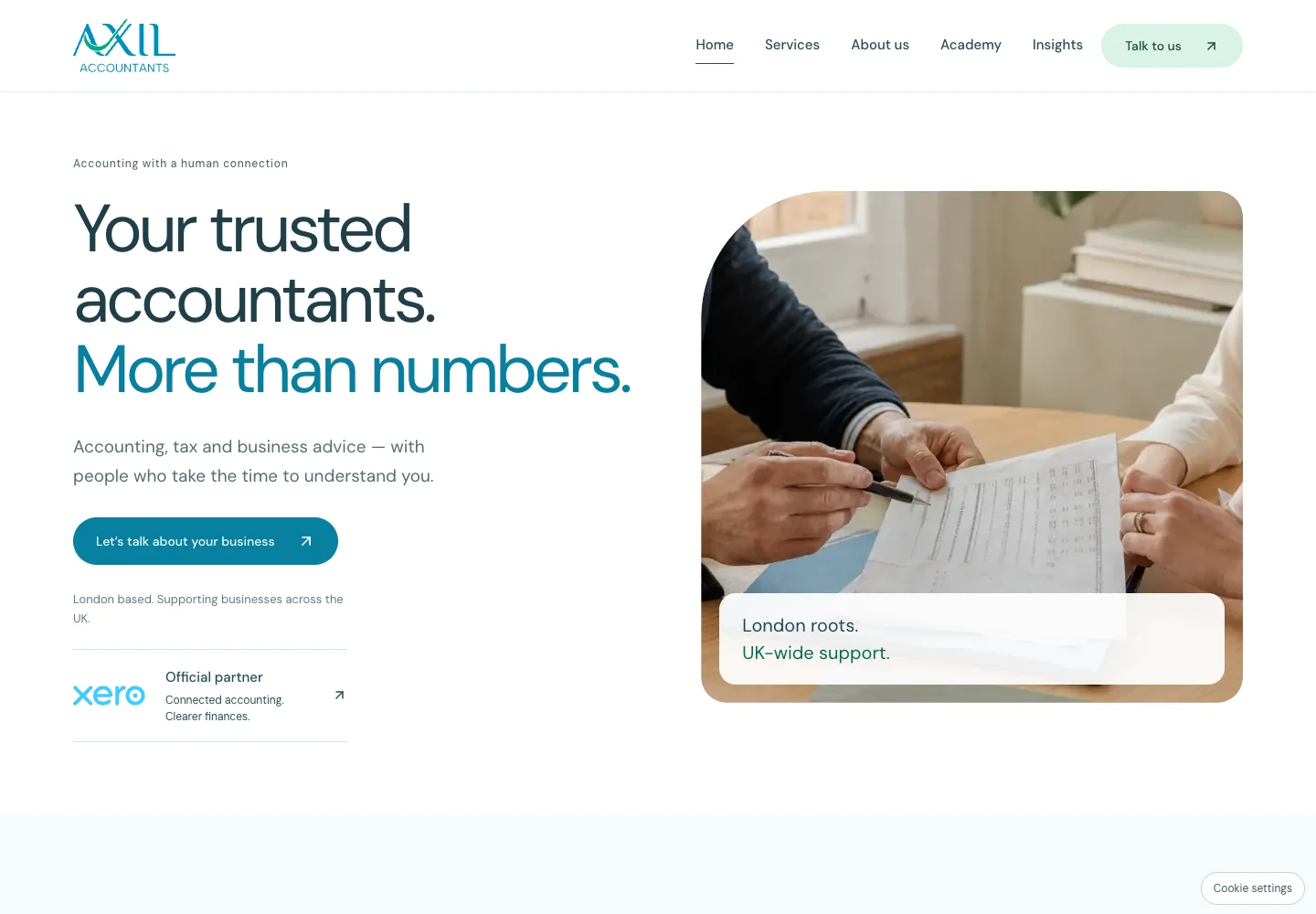
How AImpress brought accounting services, an academy and client contact journeys together with modern web technology, CRM integrations, analytics and dashboards.
Read More →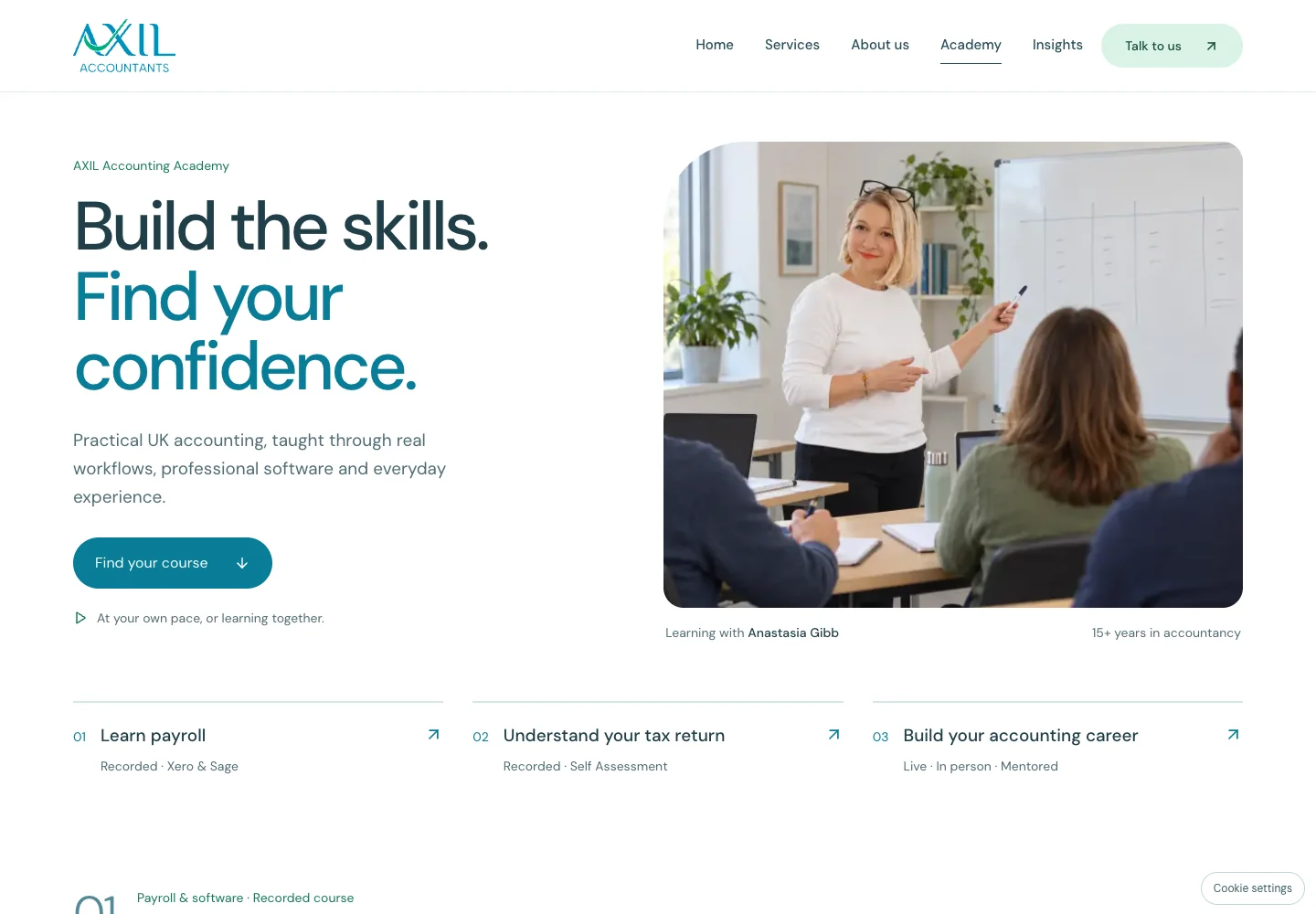
Plan the journey from website enquiry to follow-up: what to connect, which data to capture and how to make CRM, analytics and dashboards useful for an accounting firm.
Read More →
A practical guide to using voice in ChatGPT and Codex to manage tasks, apps, and agents — covering setup, twelve real-world scenarios, usage limits, and a personal workflow connecting Codex to another bot.
Read More →
A step-by-step guide to running a local LLM with Ollama and Open WebUI, then connecting it to Codex CLI, Codex App, and IDE extensions for private, offline-capable coding work.
Read More →
ChatGPT Work can now learn your personal writing style by analyzing your Gmail, Google Drive, Slack, and SharePoint content. Here's where to enable it and what to check before granting access.
Read More →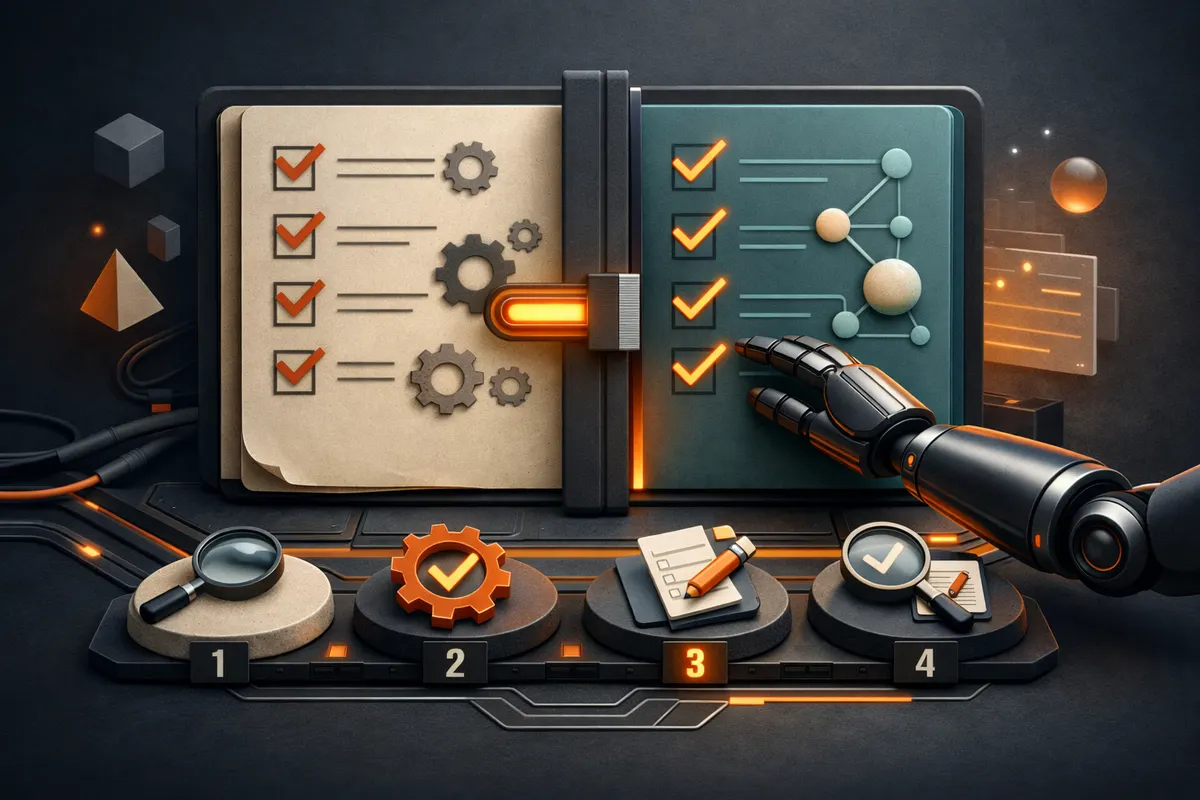
A practical four-step workflow with ready-made prompts for reviewing and updating your Codex project instructions after switching to a new model like Astra.
Read More →
Cursor is a VS Code-based AI editor built around agentic coding, featuring its own Composer model alongside Claude, GPT, and Gemini. Here's how it works, how it compares to OpenAI's Codex, and what it costs.
Read More →
OpenAI has added media tabs and recent-page suggestions to ChatGPT Desktop's built-in browser, turning it from a simple page viewer into a genuine workspace hub for email, calendars, and messaging.
Read More →
ChatGPT Work combines a cloud computer, plugins, document editing, website building, multi-agent task splitting, and background automation into a single chat interface. Here's a concise overview of what the mode can actually do.
Read More →
HyperFrames by HeyGen is an open-source framework that lets AI agents build MP4 videos from HTML, CSS, and JavaScript instead of a timeline editor, with deep integration into Codex and other coding agents.
Read More →
Notion has launched Skills for teams, letting organizations turn their best work into reusable agent skills that, thanks to MCP, work across Notion, Codex, and Claude Code alike.
Read More →
A practical guide to codex app-server, the bidirectional JSON-RPC interface behind the Codex VS Code extension, covering transports, threads, turns, action approvals, and secure remote access for developers building their own Codex integrations.
Read More →
As AI models become more capable, giving them a clear goal instead of a detailed instruction manual often produces better results and reshapes the human's role from task-setter to goal-setter.
Read More →
Gemini Notebook now lets users organize notebooks into flexible Collections, similar to playlists, where a single notebook can belong to multiple groups at once instead of being locked into one folder.
Read More →
Mem0 has joined Claude's official connector directory, letting users add persistent AI memory in a couple of clicks instead of wrestling with terminal setups.
Read More →
A five-skill combo for Codex — Figma, Product Design, Taste-Skill, GSAP, and Impeccable — that takes front-end output from templated to polished.
Read More →
A practical comparison of Ollama and LM Studio for anyone starting out with local AI models — covering what they have in common, how they differ, and which one fits your workflow best.
Read More →
LM Studio has released Bionic, a work-and-coding agent for open models that can run locally on your own device, complete with document editing, voice input, and on-demand access to frontier models in the cloud.
Read More →
A practical prompt for auditing an AI agent's skill file against your actual task history in Codex Desktop — surfacing exactly where the written instructions have drifted from how you really work.
Read More →
Google has renamed NotebookLM to Gemini Notebook and added a built-in cloud compute environment that runs real code against your sources, plus sync with the Gemini app and upcoming Search integration.
Read More →
GSAP is a free, battle-tested JavaScript animation library covering tweens, timelines, ScrollTrigger, and React integration — and it now pairs neatly with AI-driven site builders.
Read More →
Moonshot AI has released Kimi K3, a roughly 3-trillion-parameter model with a million-token context window and a multi-agent "swarm" mode, positioned as a lower-cost alternative to flagship models like GPT-5.6.
Read More →
A case study on rebuilding a bloated AGENTS.md file into a compact core plus topic-specific modules for GPT-5.6 Sol — cutting size by 75% while proving, through a real verification matrix across two machines, that safety and control weren't lost in the process.
Read More →
A look at Vibe Island and three open-source alternatives (Open Island, CodeIsland, Ping Island): native macOS notch dashboards that let developers monitor and control multiple coding agents without constant window-switching.
Read More →
Mem0 is a memory layer that gives AI agents persistent context across sessions, available as open source or a managed cloud service with a generous free tier.
Read More →
Designing with AI doesn't mean outsourcing creativity — it means keeping the idea, direction, and taste for yourself while letting AI handle execution, whether through design skills, component-by-component building, or curated inspiration boards.
Read More →
When a Mac running multiple AI coding agents starts to crawl, the culprit usually isn't the models, it's months of accumulated background clutter. Here's a safe, dry-run audit prompt to find and clear it.
Read More →
Plaud's new official MCP server turns voice recordings into live project context for AI agents like ChatGPT and Codex — no more manual transcript copying or unofficial sync workarounds.
Read More →
A translated breakdown of Ben Holmes's system for turning raw Markdown notes into a self-maintaining knowledge base, using AI agent skills for tagging, sourcing, wiki-building, and live visualizations.
Read More →
Inside the Shumiland project: a visitor website, CMS, ticketing and business integrations, supported by CRM, marketing analytics and operational dashboards.
Read More →
Inside LocalWhisper, AImpress's native macOS product for local transcription, speaker-aware transcripts and privacy-conscious audio workflows.
Read More →
How AImpress designed a trilingual learning platform around practical AI courses, progress, assessment, certificates and paid enrolment.
Read More →
Inside AImpress's content workflow: scraping, translation, media preparation, Telegram approval and guarded publishing to the blog and social channels.
Read More →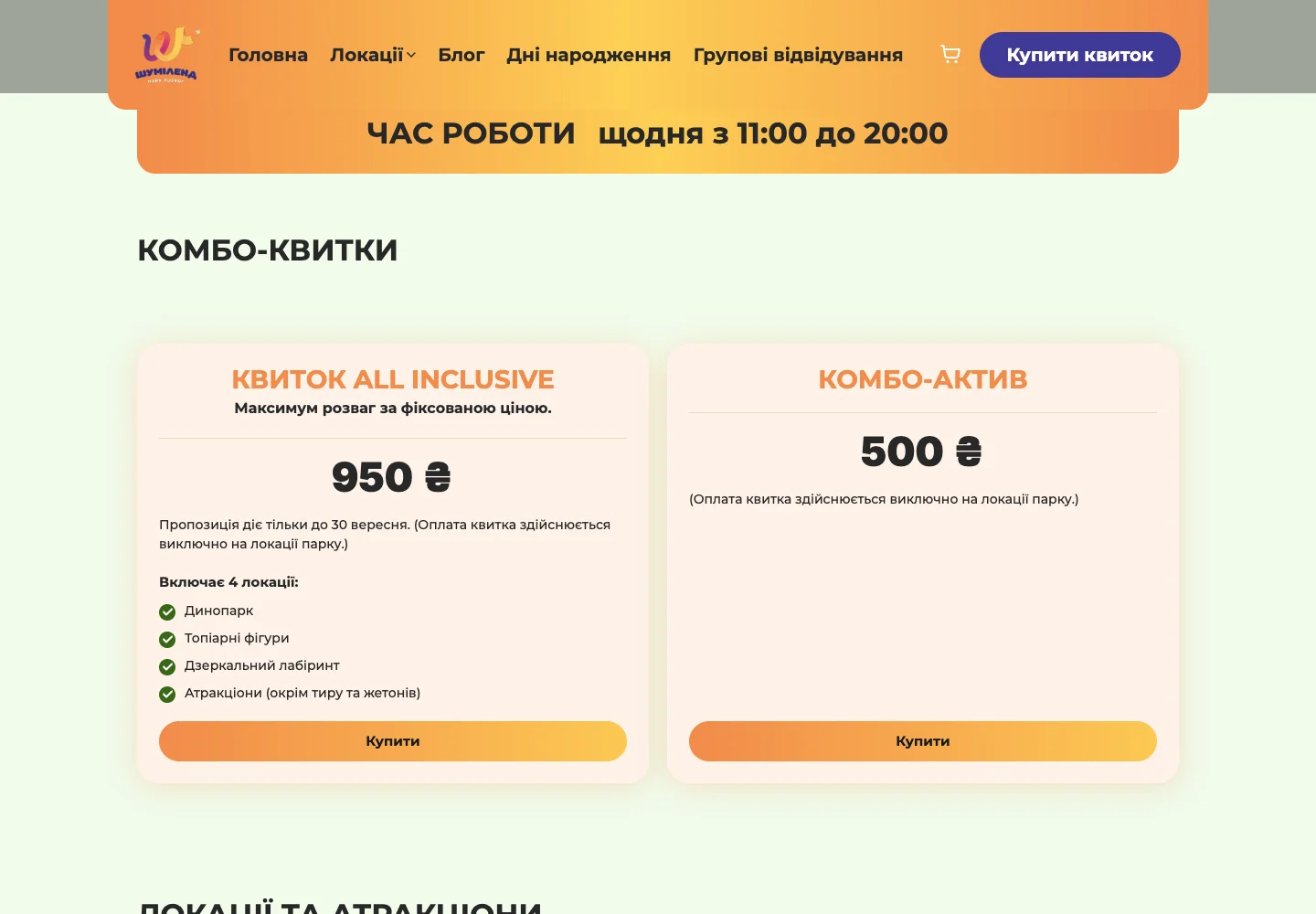
A practical website checklist for parks, museums and family attractions: content management, ticketing, group enquiries, CRM integrations, analytics and dashboards.
Read More →
The production problems hidden by polished demonstrations: messy inputs, partial failures, duplicates, changing APIs and missing ownership.
Read More →
What to log, measure and alert on so a business workflow does not fail silently after a successful launch.
Read More →
How to use automation for timely, relevant marketing while preserving consent, frequency control and human judgement.
Read More →
A practical comparison of cloud and self-hosted AI covering capability, privacy, cost, maintenance and operational responsibility.
Read More →
Practical questions for UK businesses handling personal data in AI-enabled workflows.
Read More →
How to place human review where it controls real risk without turning automation into a slower version of the original process.
Read More →
A practical guide to deploying an AI chatbot with approved knowledge, human escalation and measurable service outcomes.
Read More →
How SMEs can automate document intake and extraction while retaining validation, auditability and human handling of exceptions.
Read More →
A reliable lead workflow from form validation and attribution to routing, reminders, CRM updates and personal follow-up.
Read More →
A practical comparison of n8n, Zapier and Make based on ownership, complexity, integrations, operating effort and business risk.
Read More →
A readiness checklist covering process clarity, data, integrations, ownership, security and measurement before an AI automation project begins.
Read More →
What determines an automation delivery timeline, why discovery and testing matter, and how an SME can reach production without an endless transformation programme.
Read More →
A balanced comparison of agency, in-house and hybrid approaches to building and maintaining AI automation.
Read More →
A practical ROI model for AI automation that includes labour, errors, delays, implementation, usage and ongoing maintenance.
Read More →
A clear framework for estimating the real cost of business automation, from integrations and AI usage to testing, monitoring and ongoing support.
Read More →
A prioritisation method for finding the first automation project that will deliver visible value without exposing the business to unnecessary risk.
Read More →
A practical guide to choosing, costing and implementing AI automation in a UK small business without turning a useful project into an expensive experiment.
Read More →