A developer just won VibeJam 2026 with a capybara game he built entirely through Claude Code, and the prize was $25,000. I read through his full workflow post so you don't have to, but honestly you should.
What He Actually Built and How
The game is a 3D browser experience built on Three.js. All the code came from Claude Code. Textures came from GPT Images-2 and Tripo3d. Music came from Suno. Voice and sound effects came from ElevenLabs. He touched none of the underlying code himself in the traditional sense -- he was directing, prompting, reviewing, and integrating. The whole thing took two weeks.
I want to be precise about what this means, because it's easy to either oversell it or dismiss it. He didn't just ask Claude to "make a game" and paste the output. He ran a real production workflow. He fed Claude specific requirements, reviewed output, caught bugs, re-prompted, and made calls about scope and design. That is still engineering work. It's just that the thing doing the typing wasn't him.
The stack he used is worth writing down: Claude Code for all code generation, Three.js as the rendering engine, Suno for music generation, ElevenLabs for audio, GPT Images-2 and Tripo3d for visual assets. Every single production artifact in the project came from an AI tool. The only human decisions were creative and directorial.
What This Actually Tells Us About the Workflow
The part that stuck with me is the two-week timeline against a $25K outcome. That's not a side project pace. That's a focused sprint where the constraint wasn't writing code, it was making decisions fast enough to keep Claude moving.
I've been running Claude Code on my own projects for a few months now. The bottleneck I keep hitting isn't the model's ability to produce correct code. It's my ability to give it a clear enough picture of what I want that it doesn't go sideways on the third iteration. This developer clearly got good at that fast, probably because a game jam forces you to make decisions and move on instead of second-guessing everything.
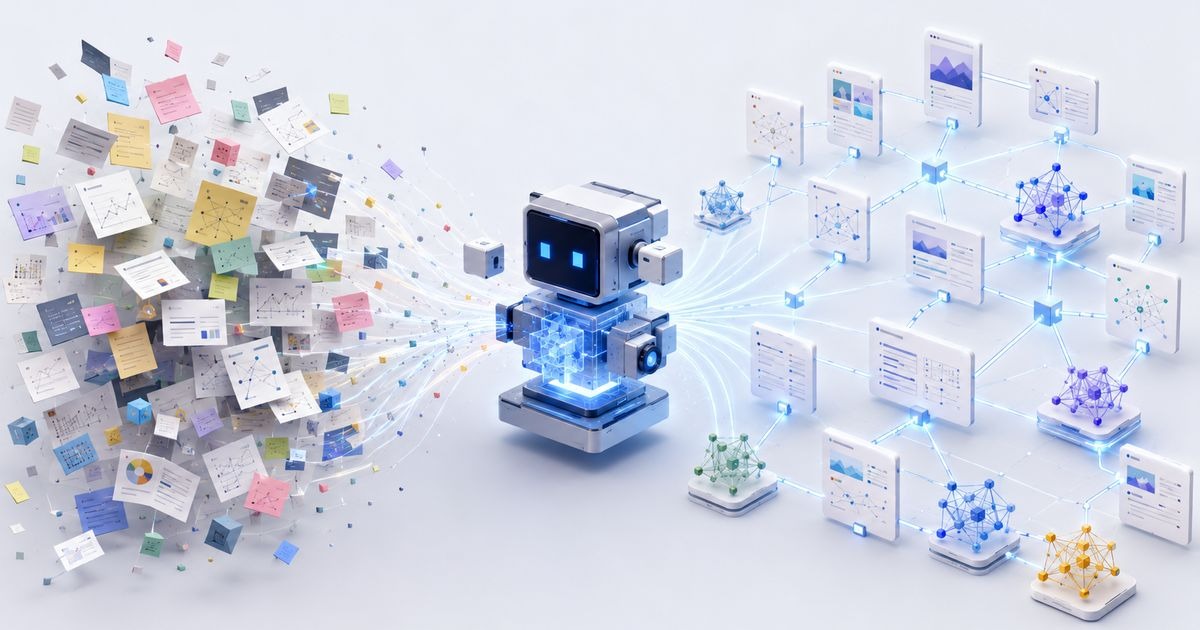
The multi-tool orchestration is the other thing worth paying attention to. He didn't try to do everything inside one tool. He picked the best available model for each artifact type and stitched the outputs together himself. That's a skill that doesn't get talked about enough. Knowing when to hand off between tools, and in what format, is its own kind of systems thinking.
The honest caveat here is that game jams are a specific context. You have a fixed deadline, a defined scope, and judges who are evaluating creativity and fun rather than production-grade reliability or maintainability. A $25K prize is real money, but it's not the same as shipping a product that has to work at scale for two years. I'm not saying this to diminish what he did -- I'm saying it because the workflow needs some translation before you apply it to your own situation.
What does translate directly: the idea that your job in an AI-assisted build is to stay ahead of the model with clear decisions. The developer who wins at this isn't the one who knows the most syntax. It's the one who can maintain a coherent product vision and communicate it precisely under pressure. That's the skill to develop right now.